Your dog barks at strangers. Lunges on walks. Freezes around other dogs. You’ve tried backyard playdates—maybe even dog parks—but nothing sticks. The problem isn’t your pup. It’s the lack of structure. A true dog social skills class teaches controlled interaction, not chaos disguised as fun.
Why Most Owners Get Socialization Dead Wrong
Letting dogs “figure it out” in unstructured settings is like sending kids to a playground with no rules—and expecting them to learn diplomacy. It doesn’t work.
Unsupervised interactions often reinforce fear, aggression, or over-excitement. And group classes that are just free-play sessions? They’re glorified doggy daycare—with zero curriculum.
Here’s the reality: socialization isn’t exposure. It’s systematic desensitization paired with positive reinforcement. Without a trained instructor reading canine body language in real time, you’re gambling with your dog’s emotional safety.
How to Choose—and Get Results From—a Dog Social Skills Class
Not all group training is created equal. The best programs blend leash manners, controlled greetings, and off-leash drills—all while monitoring stress signals most owners miss.
What to Look for in a Quality Program
A legit dog social skills class caps enrollment (6–8 dogs max), screens for temperament, and avoids mixing puppies with reactive adults. Trainers should intervene *before* a stare turns into a snap—not after.
The Progression That Actually Works
Start on-leash parallel walking. Then structured sniff breaks. Only later: supervised off-leash interaction in short bursts. Think of it like dating—you wouldn’t skip to marriage before the first coffee.
Cost vs. Value Breakdown
| Format | Avg. Cost (6-Week Course) | Real-World Transfer? | Risk of Setbacks |
|---|---|---|---|
| Dog park “practice” | $0 | Low | High |
| Drop-in playgroups | $120–$180 | Moderate | Medium-High |
| Structured dog social skills class | $150–$250 | High | Low |
| Private behavior rehab | $400+ | Very High | Very Low |
The Industry Secret No One Talks About
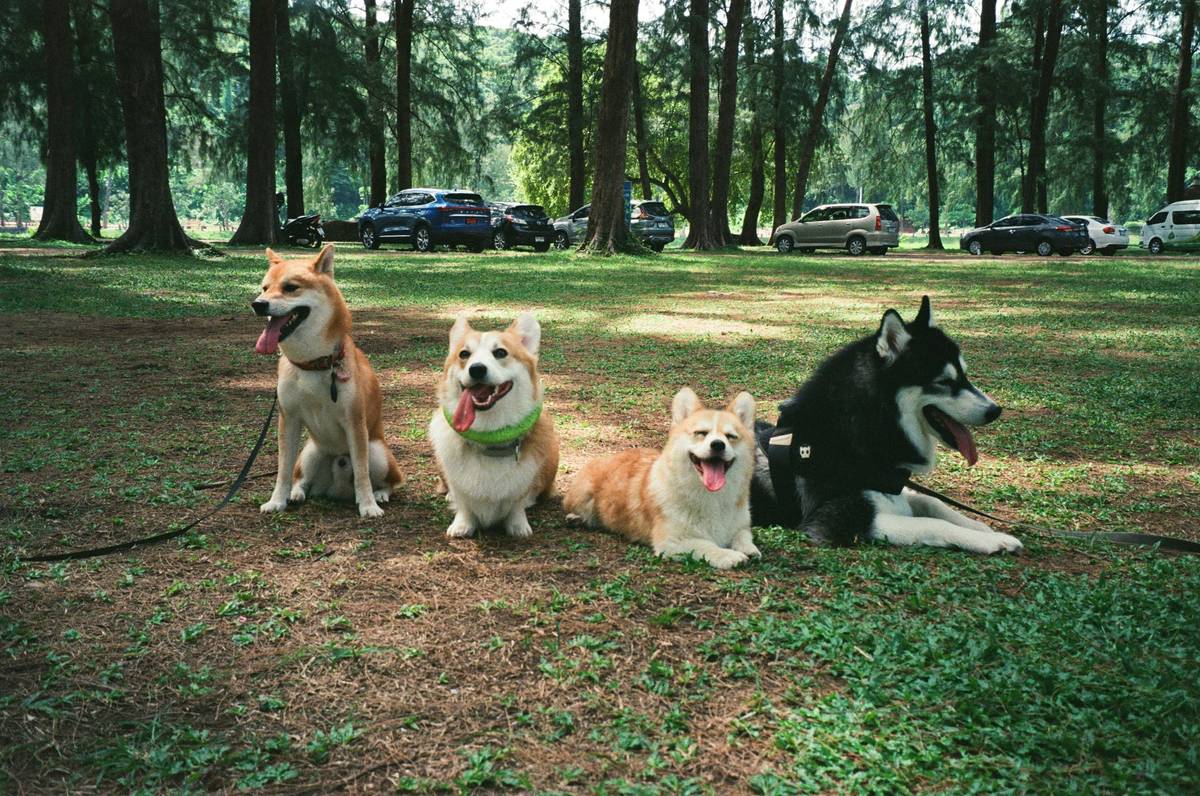
Trainers rarely admit this: many so-called “group classes” prioritize owner convenience over dog psychology. They pack in 10+ dogs, run generic commands (“sit,” “stay”), and call it socialization.
But here’s what actually moves the needle—a technique borrowed from service-dog programs: response substitution under distraction. Instead of just rewarding calmness, you teach your dog an active alternative behavior (like “watch me” or “touch”) when another dog appears. This gives their brain a job—so anxiety doesn’t fill the void.
And it only works in small, instructor-led settings where timing and distance are calibrated to each dog’s threshold. Try that at the dog park. Go ahead.
Frequently Asked Questions
Are dog social skills classes suitable for reactive dogs?
Yes—if screened properly. Avoid open-enrollment classes. Seek programs that offer private assessments first.
How young should a puppy start socialization classes?
As early as 8–10 weeks, post-first-vaccines. Early, positive exposures prevent fear-based aggression later.
Can older dogs benefit from a dog social skills class?
Absolutely. Neuroplasticity lasts a lifetime. With patience, even senior rescues can learn polite greeting skills.