You enroll your dog in group training classes. Weeks pass. Everyone else’s pets seem to “get it.” Yours? Still lunging at squirrels or ignoring the “sit” command like it’s background noise. You start doubting yourself—and worse, your dog’s potential. The real problem isn’t your pet. It’s how you’re tracking pet training progress. Most owners rely on vague feelings instead of measurable milestones. Here’s a better way.
Why Standard Progress Tracking Fails in Group Settings
Group classes move fast. Instructors juggle five to ten dogs at once. Personalized feedback? Rare. You leave each session thinking, “Did we actually improve?”
And that’s the trap. Without individualized benchmarks, you’re flying blind. You compare your week-3 pup to someone else’s week-12 graduate—unfair and demoralizing.
The truth? Pet training progress isn’t linear. Some dogs plateau for days, then leap forward overnight. Others master obedience but struggle with distraction resistance. A one-size-fits-all rubric misses nuance.
Step-by-Step: Build Your Own Group-Class Progress Tracker
Forget generic checklists. Design a system that captures what matters—for your dog, in your environment.
Define Observable Behaviors, Not Vague Goals
Ditch “behave better.” Instead, track: “Responds to ‘come’ within 3 seconds when called from 10 feet away in a park with distractions.” Specificity reveals real movement.
Use Weekly Micro-Challenges
Assign one skill per week as your focus—even if the class curriculum covers three. Master “loose-leash walking past another dog” before tackling “recall amid chaos.” Depth beats breadth early on.
Leverage Peer Feedback (Wisely)
Ask fellow students one targeted question after class: “Did you notice if my dog held eye contact during the ‘stay’ exercise?” External eyes catch blind spots.
| Metric | Beginner (Weeks 1–3) | Intermediate (Weeks 4–6) | Advanced (Weeks 7+) |
|---|---|---|---|
| Response Time | >5 seconds | 3–5 seconds | <3 seconds |
| Distraction Threshold | Quiet indoor space | Outdoor with mild movement | Park with dogs/bikes/noise |
| Command Consistency | Works 30–50% of tries | 70–80% of tries | >90% of tries |
| Owner Cue Clarity | Multiple gestures needed | One verbal + one hand signal | Verbal only—or silent hand cue |
Log Setbacks Honestly
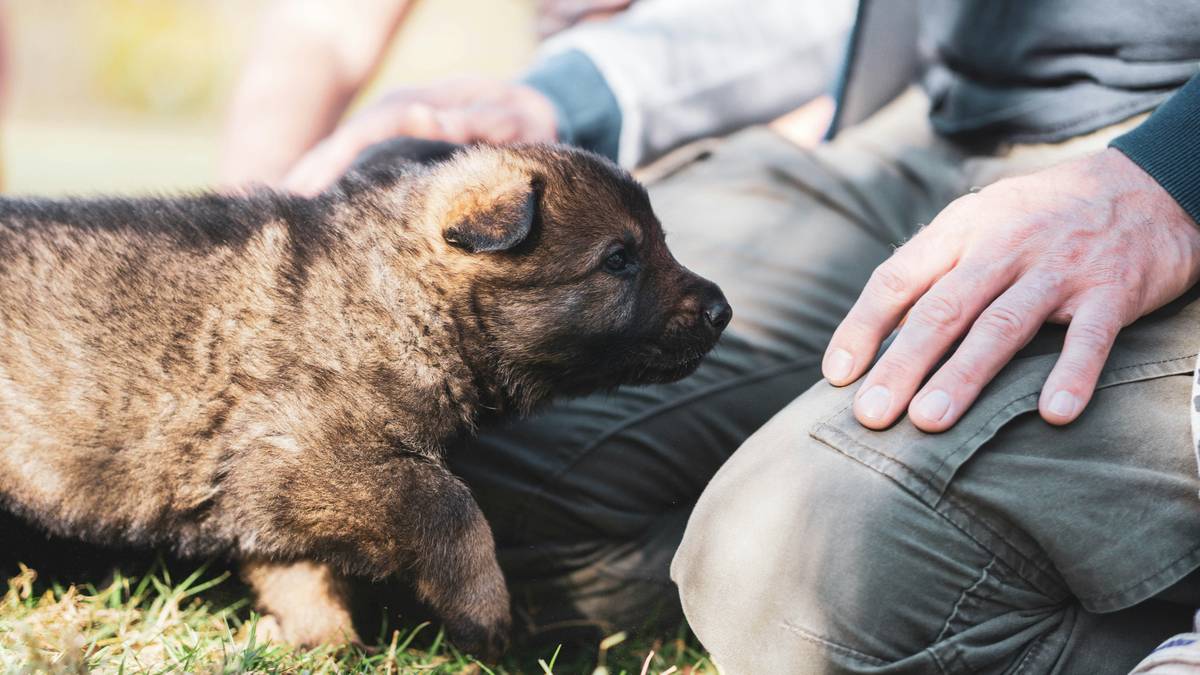
Bad session? Note it. “Failed recall near playground—ignored call twice.” That’s not failure. It’s data. Patterns emerge: maybe your dog struggles specifically with high-pitched sounds or fast-moving objects.
The Industry Secret: Progress Isn’t About Obedience—It’s About Trust
Most trainers won’t tell you this: in group settings, the real metric isn’t whether your dog sits on cue. It’s whether they choose to engage with you amid chaos.
Here’s the reality—dogs in group classes face social pressure, sensory overload, and conflicting signals. If your pet glances at you during distraction, that’s progress. Even if they don’t obey yet. That split-second attention is the seed of real reliability.
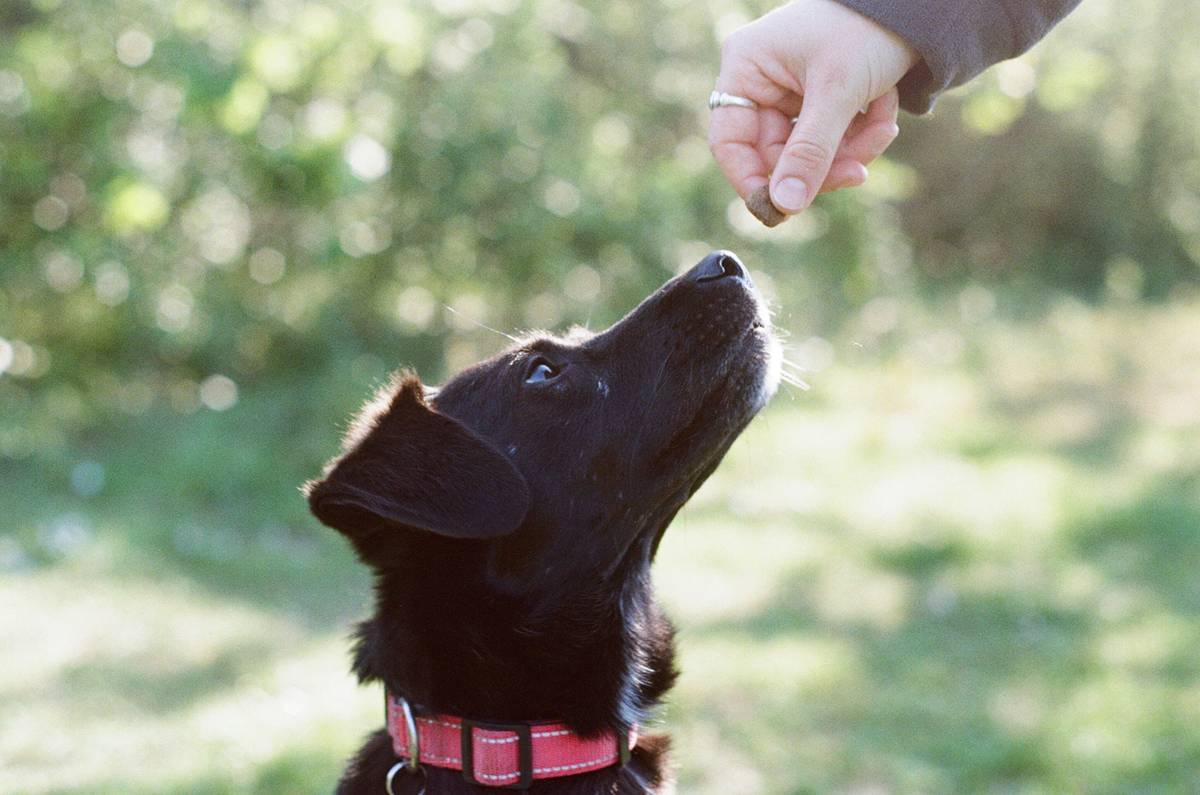
Track “voluntary check-ins.” How often does your dog look back at you unprompted? That number rising week over week? That’s deeper pet training progress than any perfect sit-stay.
Frequently Asked Questions
How often should I assess my dog’s progress in group classes?
Weekly. Pick one 5-minute window post-class to test your focused skill—same location, same distraction level—to ensure consistency.
What if my dog regresses during group training?
Regression is normal. Stress, new dogs in class, or even weather can disrupt performance. Revert to a simpler version of the skill for 2–3 sessions, then rebuild.
Can I track multiple dogs’ progress together?
Only if you use separate logs. Each dog learns differently—comparing them kills morale. Track individually, celebrate separately.